Cript rider – Unreal Engine
A first-person puzzle project built in Unreal Engine with Blueprints and C++, featuring custom GameMode logic, Enhanced Input, and Actor-based gameplay systems. Includes collision-driven interactions, vector-based movement calculations, and data management through TArray, all demonstrated across a test scene and a fully playable puzzle level.
Haruyoshie Ecima, Solo Developer – Unreal Engine (C++)
2/10/20262 min read
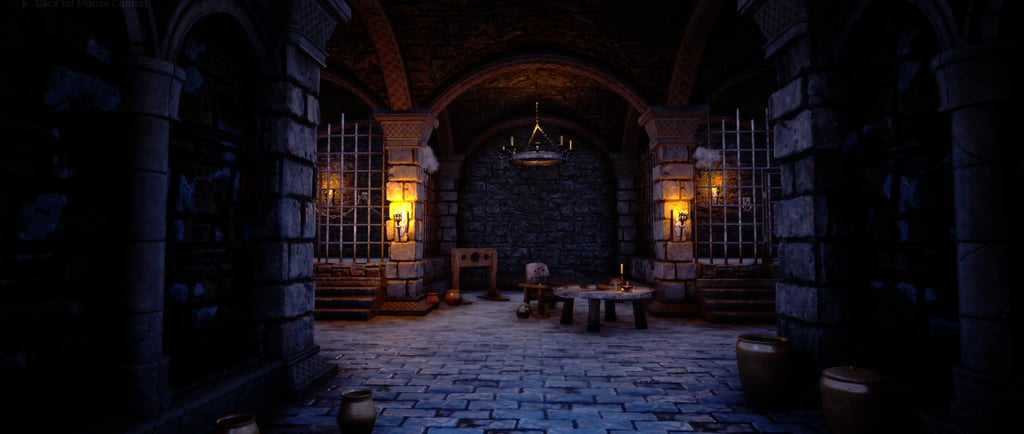
Technical progression and contributions:
Designed and configured custom GameMode logic to control game rules and player flow
Implemented the Enhanced Input system, transitioning from basic input handling to modular, scalable input actions
Developed gameplay logic using Actors, focusing on lifecycle management and clear ownership via GetOwner()
Applied pointer usage and safe references to manage interactions between gameplay objects
Implemented vector math for movement, orientation, and gameplay calculations
Used logical operators and conditional flows to manage gameplay states and interactions
Built and tested collision systems, including overlap and hit events, to drive gameplay responses
Managed gameplay data using TArray, reinforcing understanding of Unreal’s container types and memory behavior
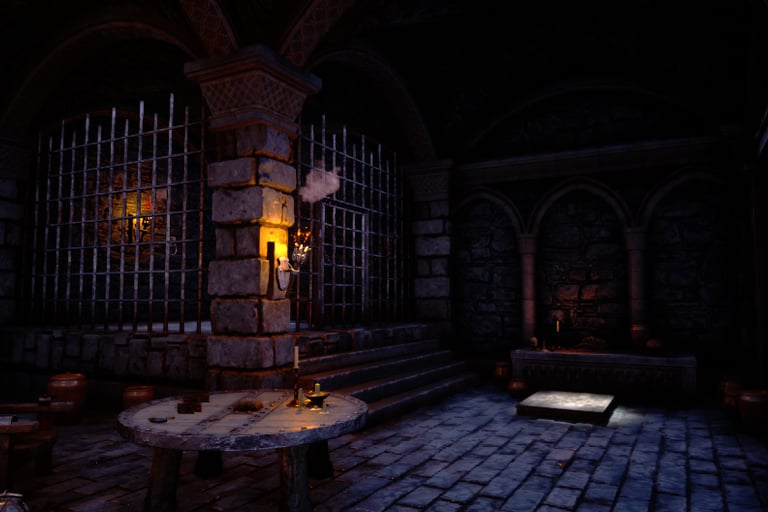
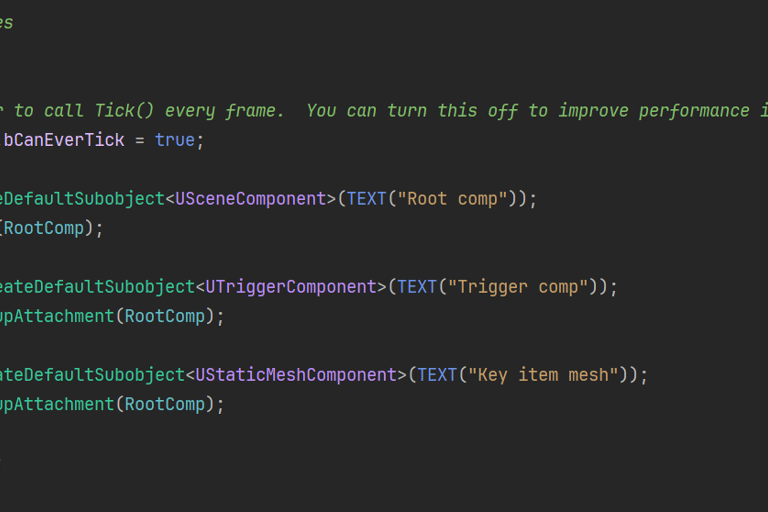
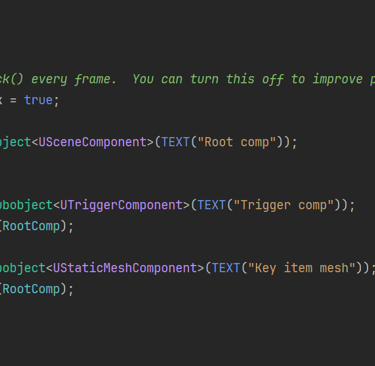
The process to the level desing

For this project, I built out a set of gameplay mechanics in Unreal Engine, mixing Blueprints and C++ depending on what made sense for each piece. The video shows the whole process — I start off testing everything in a simple sandbox scene, just making sure each mechanic works on its own, and then jump into a real level where those mechanics come together to power a puzzle-solving experience.
One of the first things I set up was a custom GameMode, so I could actually control how the game runs and how the player moves through it. I also switched over to the Enhanced Input system instead of sticking with basic input — it made everything way more flexible and easier to expand as I kept adding new mechanics.
Most of the actual gameplay logic lives inside custom Actors, so I spent a good chunk of time thinking about how objects are created, owned, and cleaned up, using GetOwner() to keep track of who's responsible for what. I also had to get comfortable working with pointers and safe references, especially when different objects needed to talk to each other without things breaking or crashing randomly.
There's a lot of vector math going on under the hood too — movement, orientation, all that — plus logical conditions to handle different game states depending on what the player was doing. On top of that, I built and tested collision systems using overlap and hit events, which basically became the backbone for how the puzzles actually respond to the player.
And finally, I used TArray to handle gameplay data throughout the project, which honestly taught me a lot about how Unreal handles memory and containers behind the scenes.